 Translate

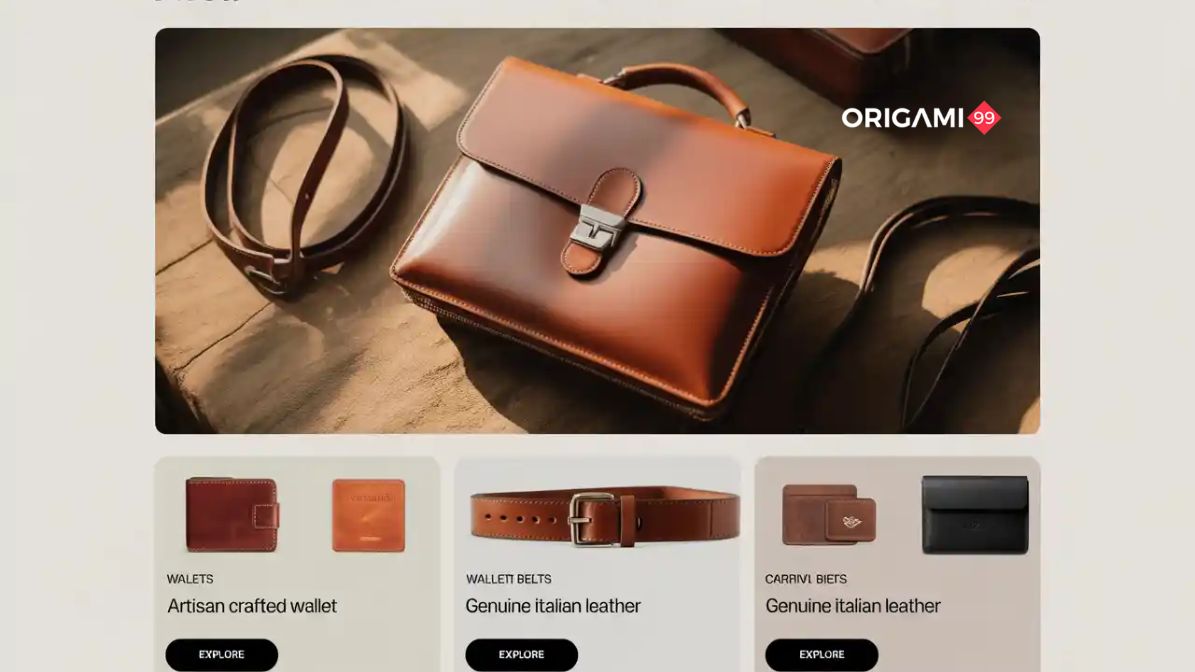
Your website serves as a virtual storefront for your clients if you run an online store. Your brand’s voice and tone should be reflected on your best ecommerce websites, just like in a physical store. Make sure the user experience is easy to understand.

There are many chances for up-and-coming firms to enter the e-commerce market thanks to industry titans like Amazon, eBay, and Etsy. A website showcases your brand identity and product line, with links to digital material and social media to increase sales.
How to create a website for online sales
Your clients should have a smooth and pleasurable e-commerce experience from the moment they visit your website until they make a purchase. This is a detailed tutorial on creating a website.
1. Describe your business plan for e-commerce.
Think about your company. You might be switching from a physical store. What are you selling? Your target market is who?
Establish your company model first:
- The most popular business model is business-to-customer (B2C), where a company offers goods or services to customers directly.
- Businesses offer goods or services to other businesses in a business-to-business (B2B) transaction.
- Online marketplaces that allow customers to trade and sell goods or services are known as customer-to-customer (C2C).
C2B (customer-to-business): People sell their products or services to businesses.
Additionally, think about your shipping strategy, if you have one:
Selling your own goods directly to consumers without the assistance of distributors or retailers is known as direct-to-consumer, or D2C.
Drop shipping: Create a website or storefront where clients may pay with PayPal or a credit card, sourcing from a supplier who handles packaging and inventory. Starting a drop ship business is quick and affordable.
Buying goods in quantity from a retailer at a discount is known as wholesaling.
Adding your name and brand on a generic product you buy from a distributor is known as “white labeling.”
Private label: Employ a producer to make a product that you will sell only.
Subscription: Provide devoted clients who value convenience with goods like pet food or fresh vegetable boxes once a month or once a week.
2. Select a platform for online shopping.
The next step is to decide which e-commerce platform to use to host your website. Consider the following three well-known e-commerce website builders:
Shopify:
Shopify’s robustness and user-friendliness make it the most popular software-as-a-service (SaaS) platform. Dropshipping and omnichannel selling are made possible by a plethora of add-on tools and capabilities, enabling you to sell via your website, social media, and other channels.
Wix:
Wix is a website builder with a simple drag-and-drop interface that provides a wide range of configurable templates and design elements. You must upgrade to a paid plan in order to use it as an e-commerce platform. With capabilities like order tracking, omnichannel selling, and add-on tools, Wix provides everything you could possibly need.
BigCommerce:
Enterprise-level software firms use this e-commerce platform, which offers a great deal of customization to meet your demands. Strong features like worldwide sales and SEO tools are also made possible by it.
Launch your web store
Your products should now be loaded onto the website. Your products will stand out from the competition with brand-consistent product descriptions and high-quality product images. You might want to divide the website into product categories, such color, design, or product type, if your offering is wide. You might wish to let customers filter or sort by rating, price, or new arrivals.

To guarantee precise and practical customer service, you should arrange your shipping and payment options if your initial launch products are ready. The payment method should be linked to your company’s bank account, and your inventory should correspond with what is listed on the website. With external add-ons like Square or Stripe, or on websites like Shopify, setting up a payment processor is simple.
Start your website.
Your website is prepared for launch once it has been finished! Try your hand at internet marketing to draw clients. Establish social media channels to provide lifestyle photos of your goods or services. This is your opportunity to showcase your creations to the world.
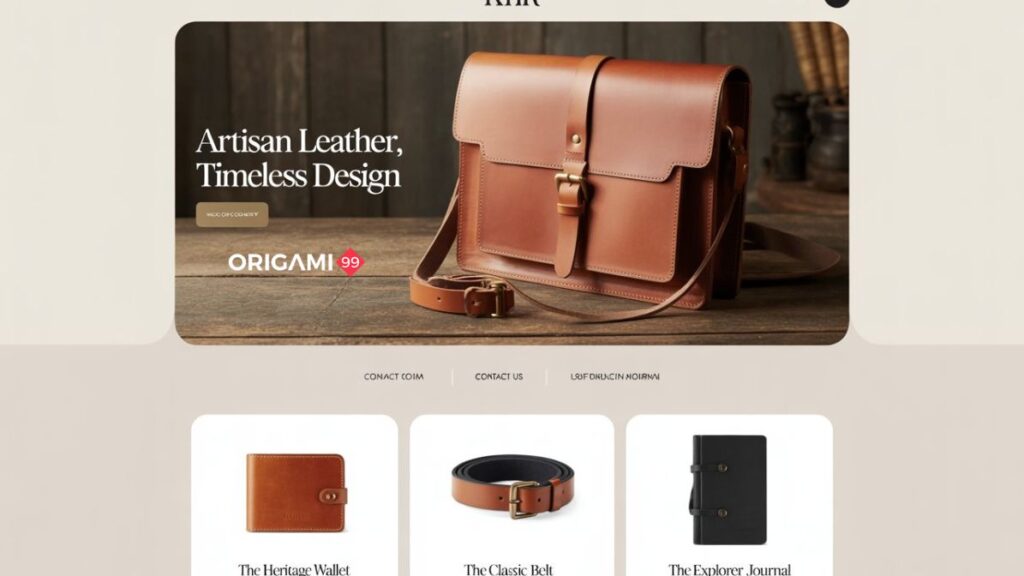
Using sponsored posts or advertisements as part of a launch campaign might help you reach your target audience and increase brand awareness. In its early stages, Google and Facebook Ads can assist your firm acquire momentum and visibility.
Tips for e-commerce websites
To make the most of your online business, bear these suggestions in mind as you get ready to sell goods and services on your website.
Show client testimonials.
To help new site visitors make well-informed purchasing decisions, make it simple for customers to leave reviews on your website. Product reviews can boost sales and enhance the reputation of your brand. Online reviews can boost a website’s conversion rate by 270 percent, says a Spiegel Research Center analysis.
Use stock photos.
You might discover that employing stock photos can improve your e-commerce website, even though product images might assist prospective buyers in evaluating the qualities of a physical object before making a purchase. Additionally, using high-quality stock photos instead of hiring a professional photographer can be a cost-effective method to communicate the aesthetic, values, and mission of your brand.
Every webpage should have white space.
White space, sometimes referred to as negative space, is the empty space that surrounds or exists between webpage content or design elements. White space creates a visual hierarchy among items, enhances readability as users scroll through sites, adds to a contemporary aesthetic, and facilitates information processing for users.
Boost the SEO of your online store.
Without employing paid advertisements, e-commerce SEO techniques like strategically including keywords in your site’s material or enhancing its architecture might raise your site’s search engine ranking. E-commerce SEO also helps you attract more people to your website and encourages them to buy something.
Create a strong web presence.
To boost exposure and brand awareness, you’ll need to establish an online presence in addition to your e-commerce website. This can involve creating social media profiles, interacting with affiliate marketers and influencers, organizing online events centered around your products, working with other brands, and participating in online forums.
Keep up with developments in e-commerce.
It’s a good idea to keep an eye on e-commerce trends at every stage of your journey so you can change your website to match what customers are searching for. New e-commerce technology, improved user experiences, more successful marketing campaigns, and increasingly complex data-driven decision-making are some of the trends.